NEOM Elemental Hospitality at Jabal al-Laws
A future model for hospitality in NEOM. A 25-hour hotel explores where materials come from, how they're put together, and how they connect with people at the base of Jabal al-Laws.
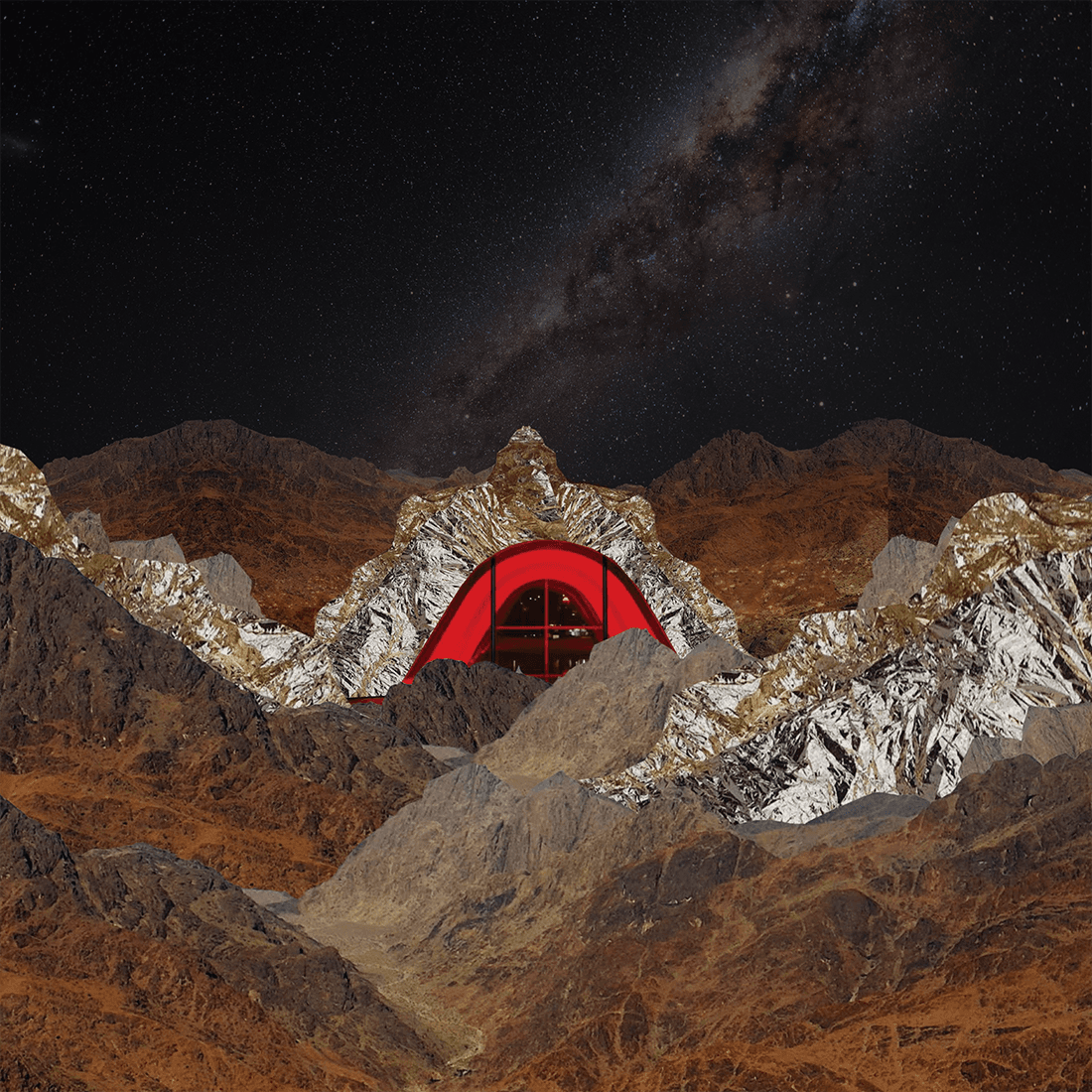
NEOM sees hospitality as a space for change. As experiences become more important than possessions, the industry is shifting to meet new behaviors. This includes physical movement, connection with nature, and a deeper cultural and geographic understanding. The hotel addresses these needs with spaces that encourage both activity and relaxation, shaped by materials and context.
Located at Jabal al-Laws, the project takes inspiration from the mountain's presence as both a landscape and a symbol. Mountains carry memories. They define our position, connect people, and hold stories over time. The hotel is designed like a village. It combines shared and private uses, inviting movement across spaces without hierarchy. Its layout supports both rest and social interaction.

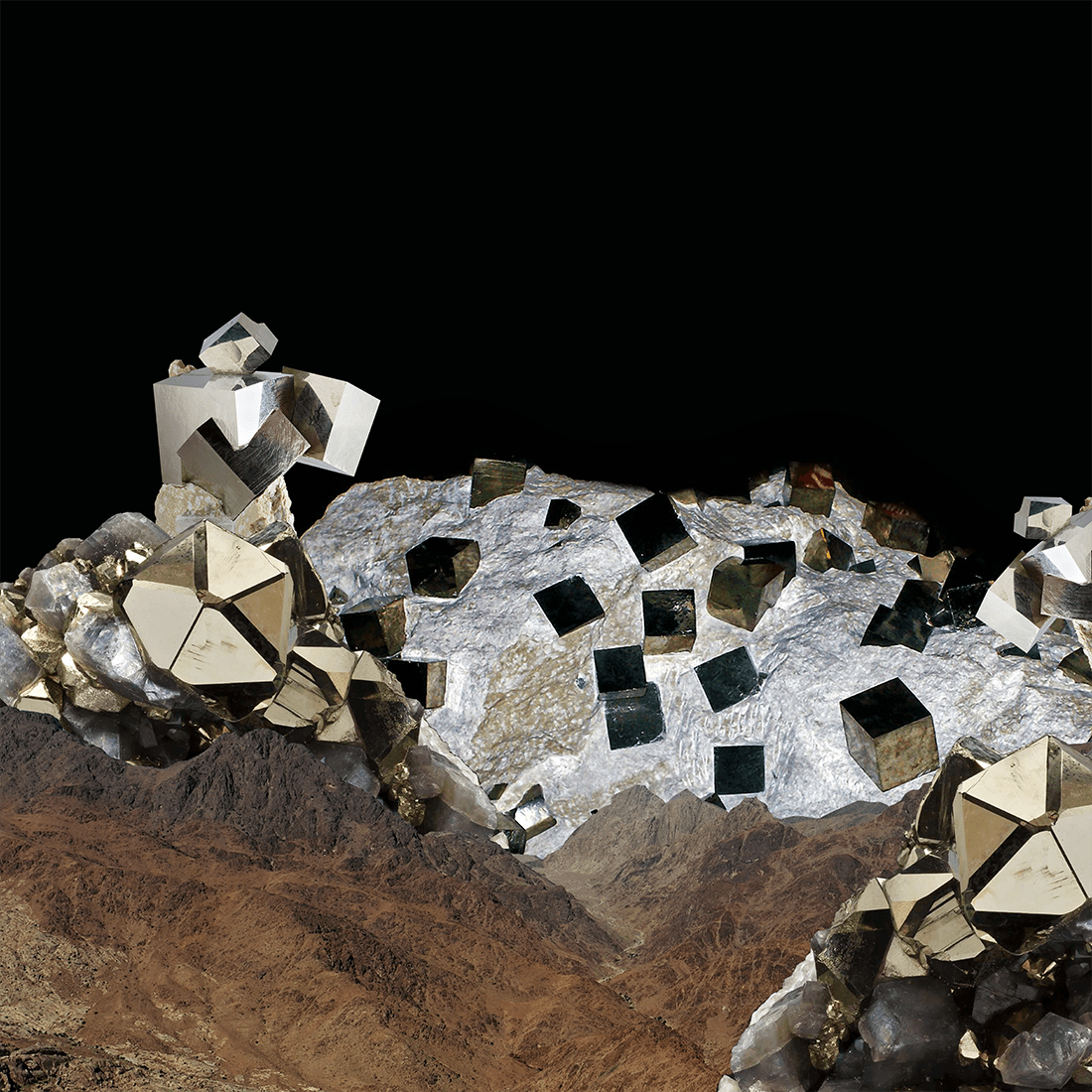
Form and materials are guided by local geology. Crystalline pyrite structures found in the mountain shape the building's design. Surfaces are created using biomimicry and 3D printing. Modularity allows the building to change over time while staying connected to the site. Design choices follow a mineral logic. The structure reflects its environment rather than mimicking it.
Interior spaces are simple and lively. Public areas encourage informal gatherings and creative use throughout the day. These shared zones have an open layout but are grounded in material differences. Private rooms are designed for relaxation, featuring direct views and minimal interiors that focus on rest. Movement through the building is seamless. From the ground to the upper levels, from shared areas to secluded spots, the layout supports transitions without barriers. Circulation follows the terrain. Interior volumes mimic the external structure. The architecture remains in the background, supporting presence without drawing attention. Materials help with orientation rather than making a statement. Surfaces are calm and responsive.
The 25hours Hotel is not a destination. It is a space for encounters. It draws from its location, allows for change, and supports a shared vision for future hospitality. Its presence is shaped by geology, not trends. Its design reflects collective use rather than individual retreat. The hotel is built to adapt. Its material system allows for changes over time without losing touch with the site. This model treats hospitality not as an escape but as a return. It is built from context and moves with people. It reflects how we gather, rest, and live together.